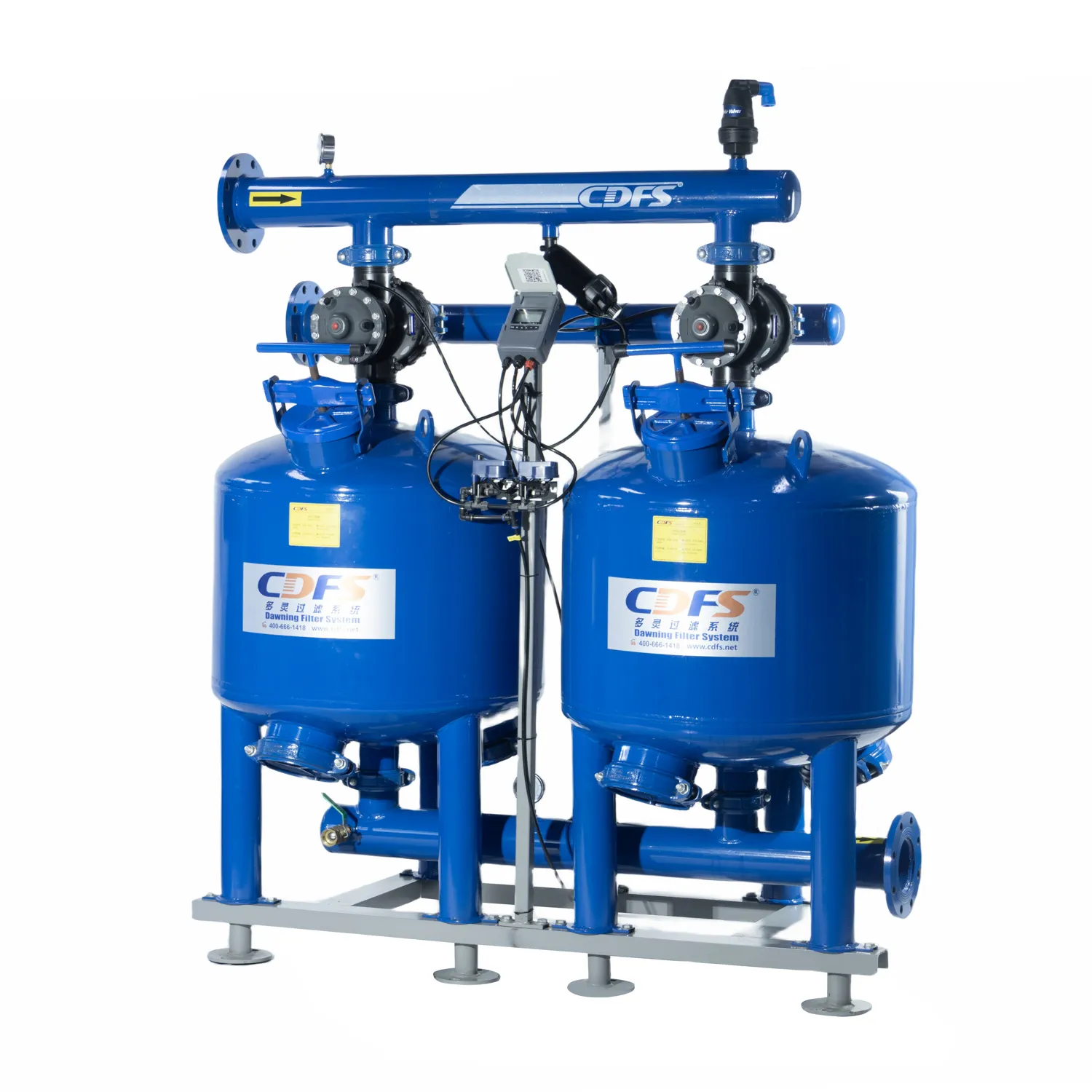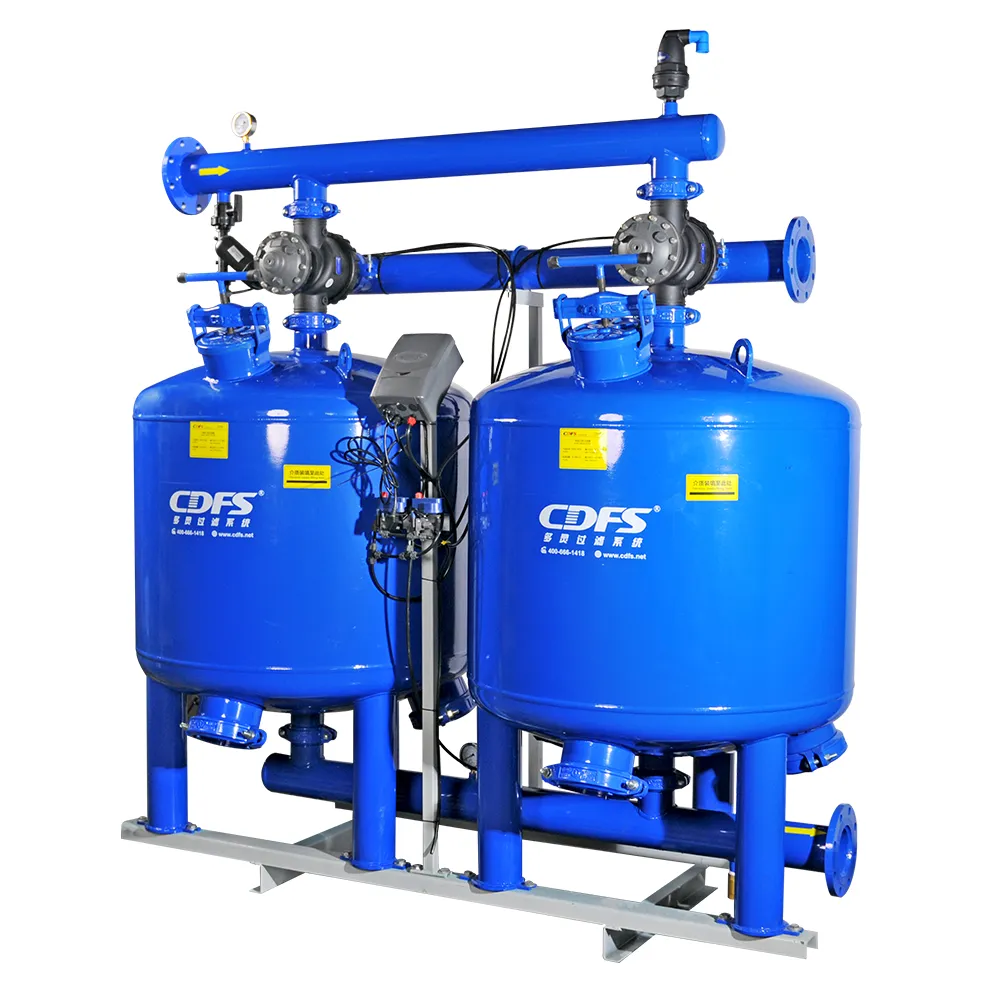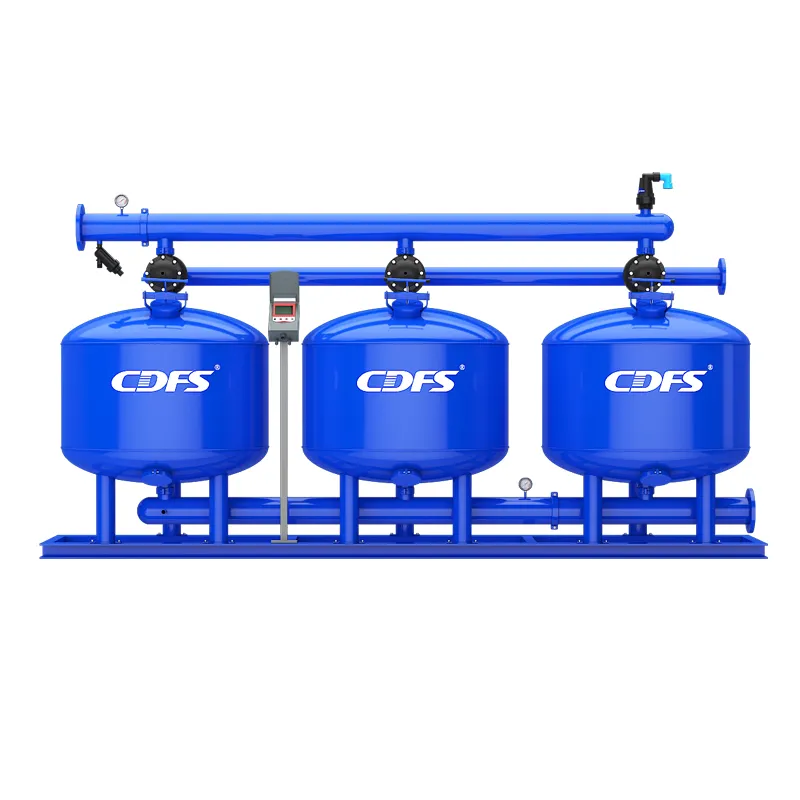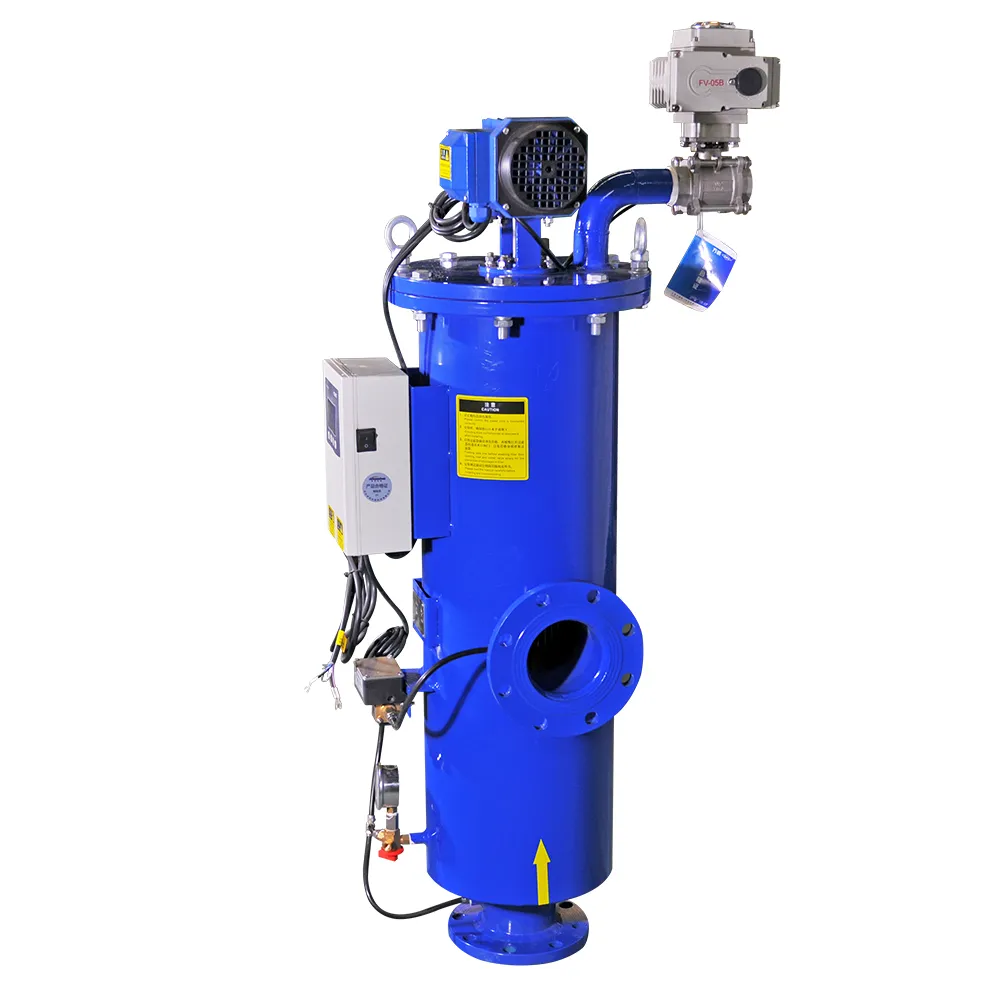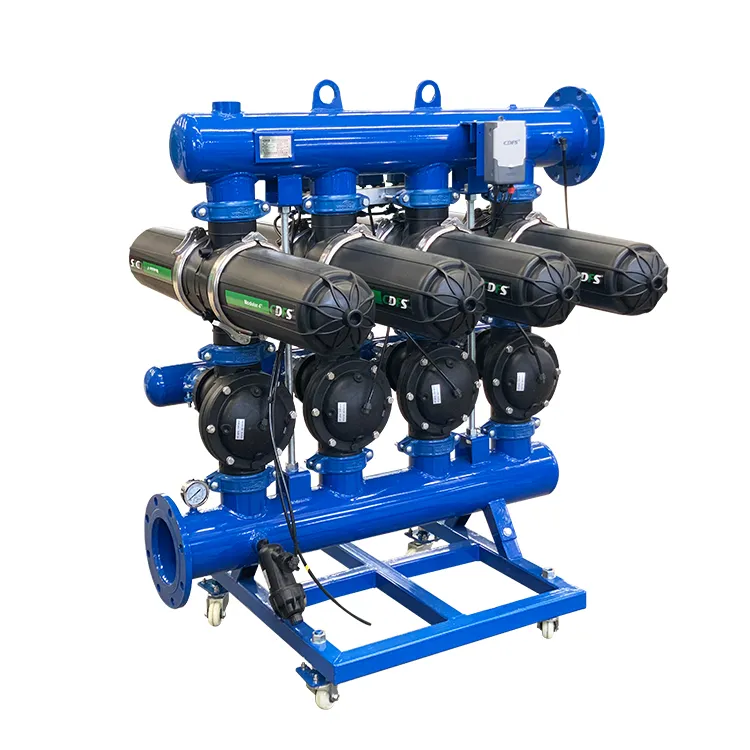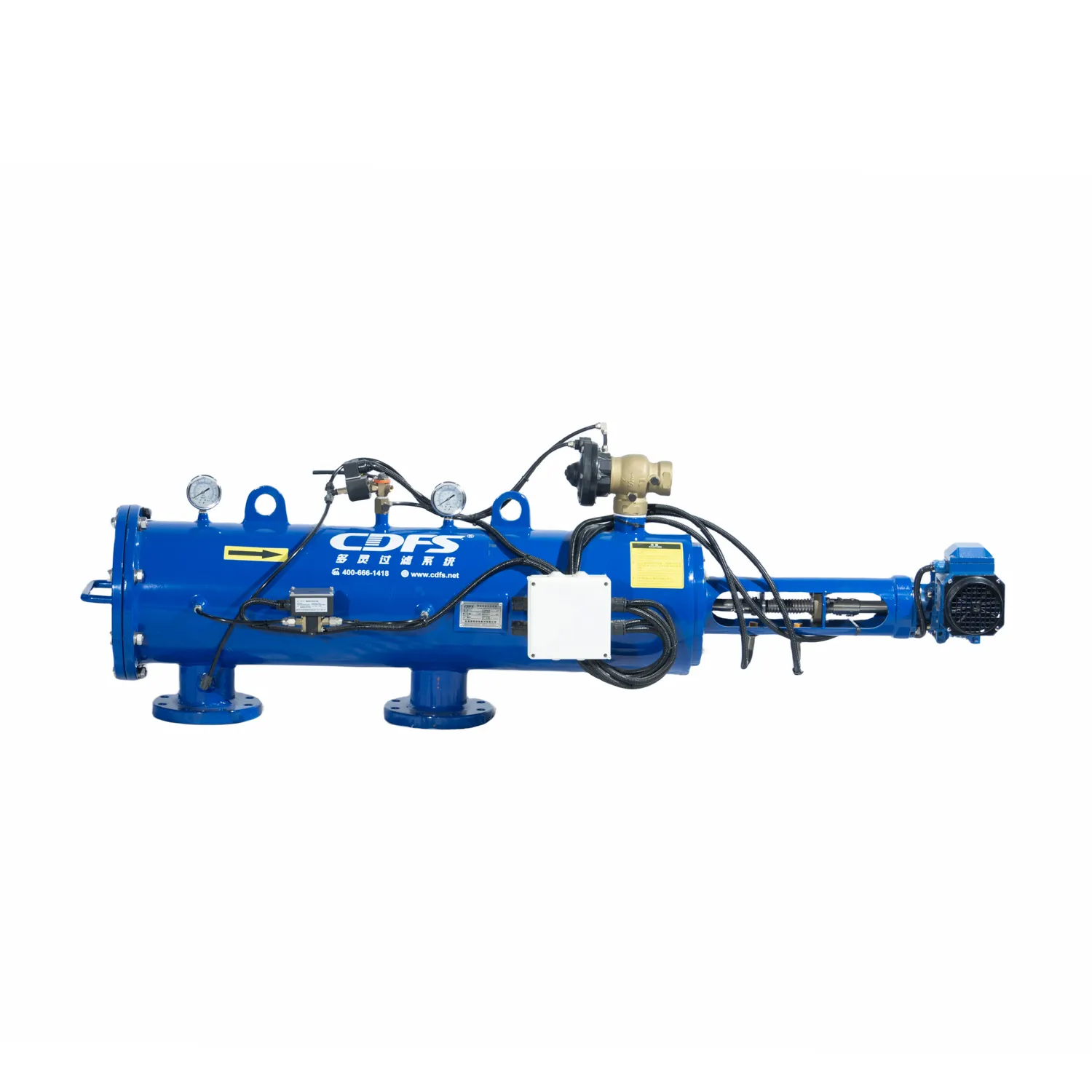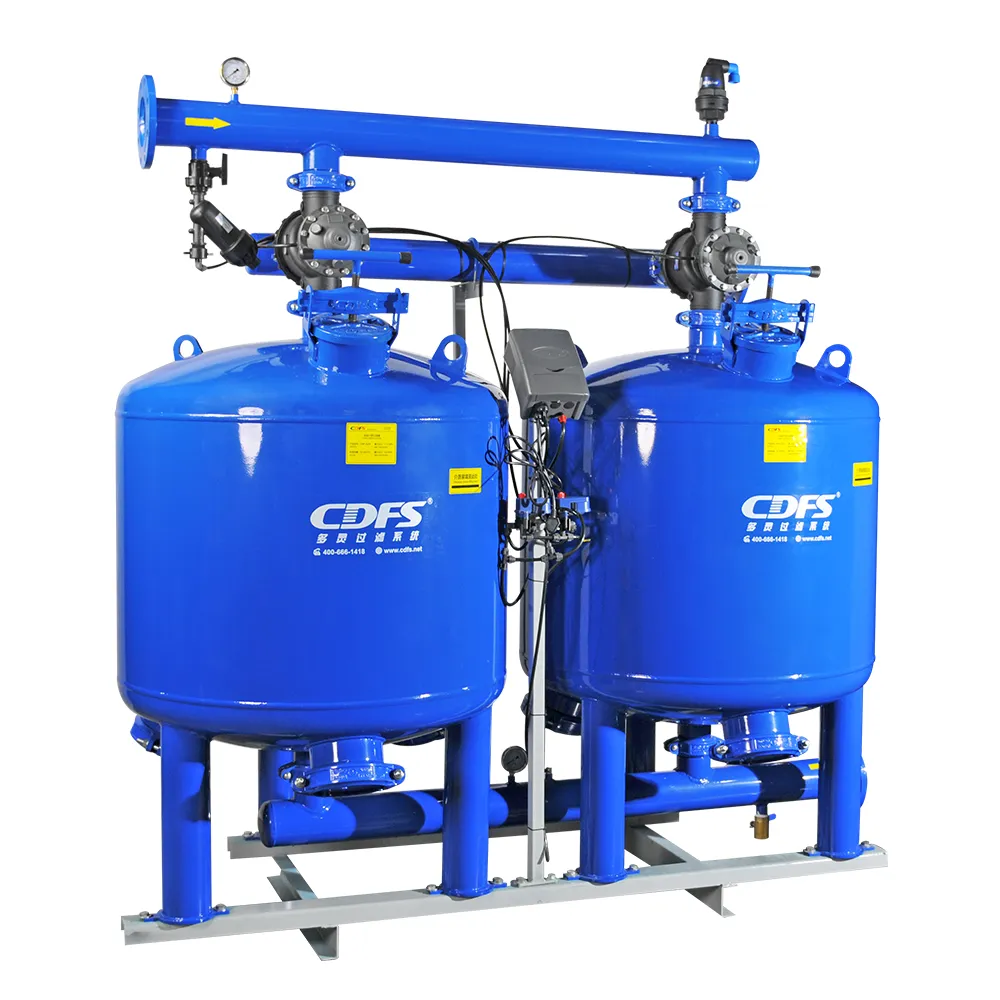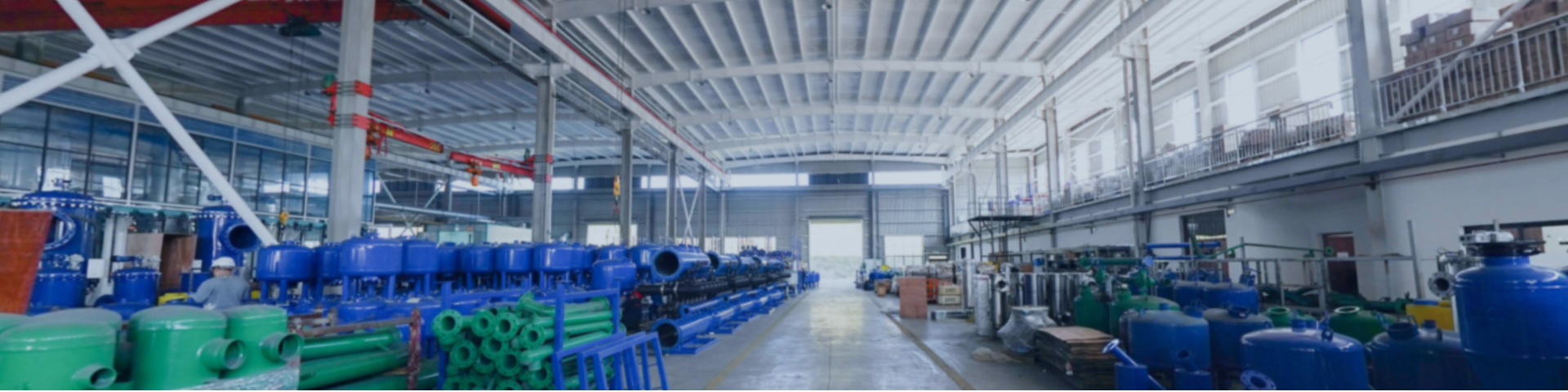
From small garden plots to large-scale commercial farms, irrigation water purifier provide scalable filtration solutions that match the demands of modern agriculture. Their performance consistency, adaptability, and protective functions make them indispensable tools for any irrigation setup, helping growers achieve dependable and sustainable crop production.
Compact irrigation water purifier models are designed for space-limited environments such as greenhouses or urban farms, offering high filtration capacity without requiring extensive installation space. This makes them ideal for modern agricultural setups focused on maximizing production efficiency within constrained areas.
Q: What is the primary function of a irrigation filter? A: The main function of a irrigation filter is to remove debris, sand, silt, and other particles from irrigation water, ensuring clean water is delivered to crops or landscapes. This protects irrigation equipment and improves water distribution efficiency. Q: What types of contaminants can a irrigation filter remove? A: A irrigation filter can effectively filter out suspended solids such as organic matter, algae, sediment, and other particles that can clog irrigation systems and reduce their performance over time. Q: How often should a irrigation filter be cleaned or maintained? A: Maintenance depends on water quality and system usage, but generally, a irrigation filter should be inspected and cleaned regularly, with backwashing or manual flushing performed to maintain optimal filtration efficiency. Q: Are there different types of irrigation filter for different irrigation systems? A: Yes, there are various irrigation filter types such as screen filters, disc filters, and media filters, each suitable for different irrigation setups including drip, sprinkler, and pivot systems depending on the level of filtration needed. Q: Can a irrigation filter improve the lifespan of irrigation equipment? A: Absolutely. By filtering out harmful debris and particles, a irrigation filter reduces wear and tear on valves, emitters, and pipes, extending the service life of the entire irrigation system.
I like how this disc filter saves water and reduces manual cleaning effort. It’s well-made and reliable, ideal for our industrial circulating water system.
The filter’s performance is very stable under different water qualities. It is simple to install and maintain. Definitely a great choice for industrial water treatment.
To protect the privacy of our buyers, only public service email domains like Gmail, Yahoo, and MSN will be displayed. Additionally, only a limited portion of the inquiry content will be shown.
We require a media filter that softens water and removes organic impurities for greenhouse irrigatio...
Looking for an irrigation filter that can handle high sand content without clogging. What’s the re...



 EN
EN
 FR
FR
 NL
NL
 RU
RU
 AR
AR
 VI
VI
 LO
LO
 RO
RO
 TH
TH
 MY
MY
 MS
MS
 PT
PT
 ES
ES
 KO
KO
 BE
BE
 JA
JA
 FIL
FIL
 KA
KA
 DE
DE
 IT
IT